
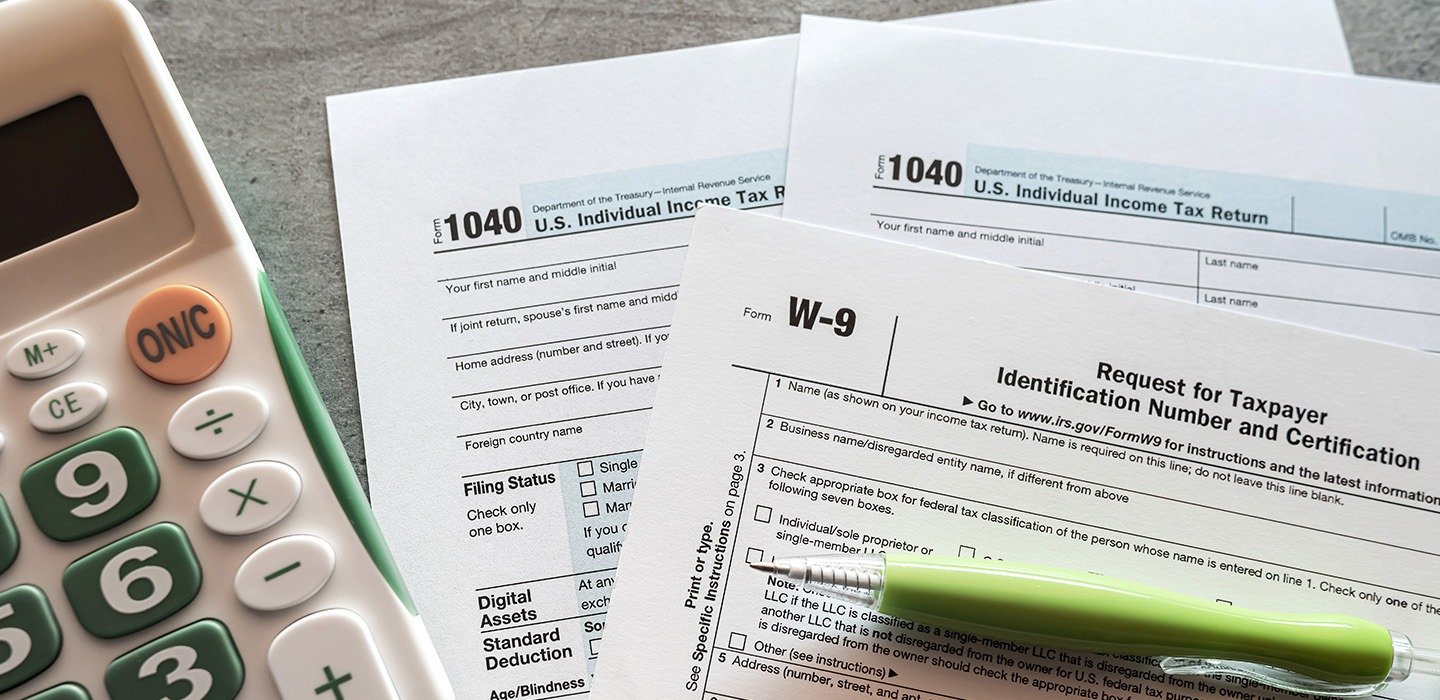



The IRS has new technology to spot side income, also called gig or freelance income. This includes money earned from ride‑share driving, selling items online or doing freelance work.
What Counts as Side Income?
Side income is any money you earn that doesn’t come from a regular paycheck. While all income from side work must be reported on your tax return, you may also owe self‑employment tax if your side work earnings reached $400 or more.
Common examples include:
- Working for ride‑share or task apps (e.g., Uber, DoorDash, Lyft).
- Renting a room or property.
- Selling goods online.
- Freelance or contract work.
The IRS Is Cracking Down
The IRS received new funding to upgrade its tracking systems that includes better monitoring or identifying where income is coming from.
The IRS can now compare tax returns with information it receives from:
- Employers, clients and contract work.
- Gig platforms like ride‑share or rental services.
- Banks and payment apps (e.g., Venmo, Cash App, PayPal).
The message is clear: Side income is no longer flying under the radar.
How the IRS Knows About Your Income
Companies are required to report payments made to workers.
If you’re paid for side work, you may receive a 1099 form, which is also sent to the IRS. Even if you don’t receive a tax form, the IRS may still see signs that income was earned.
What Happens if You Don’t Report Extra Income
Not reporting side income can lead to problems later. If the IRS finds unreported income, you may owe:
- Back taxes.
- Penalties.
- Interest on the amount owed.
Simple Steps To Protect Yourself
If you earn side income, a few basic habits can help keep you on track.
- Consider professional help. We recommend speaking to a tax professional to help you understand your options and follow the tax laws.
- Understand the tax forms. Many gig workers need to use Schedule C to report business income and expenses. If your net earnings reach certain levels, you may also need Schedule SE to calculate self‑employment taxes.
- Plan for quarterly taxes. If you expect to owe more than $1,000 in taxes from side income, the IRS may require quarterly estimated payments.
- Track income and deductible expenses. Write down all your income and what you spend. Save your receipts and track your side work expenses.
- Keep finances separate. Using a separate bank account for side work makes records clearer.
- Save for taxes. Setting aside side money you earn can prevent surprises later.
The Bottom Line
Side income is more common than ever, and the IRS is watching it closer than before.
With improved tracking tools, even modest earnings can be noticed. Reporting side income correctly and on time can save you a headache later down the road.
This article is for informational purposes only. Please consult a qualified tax professional for tax advice on your specific situation.