
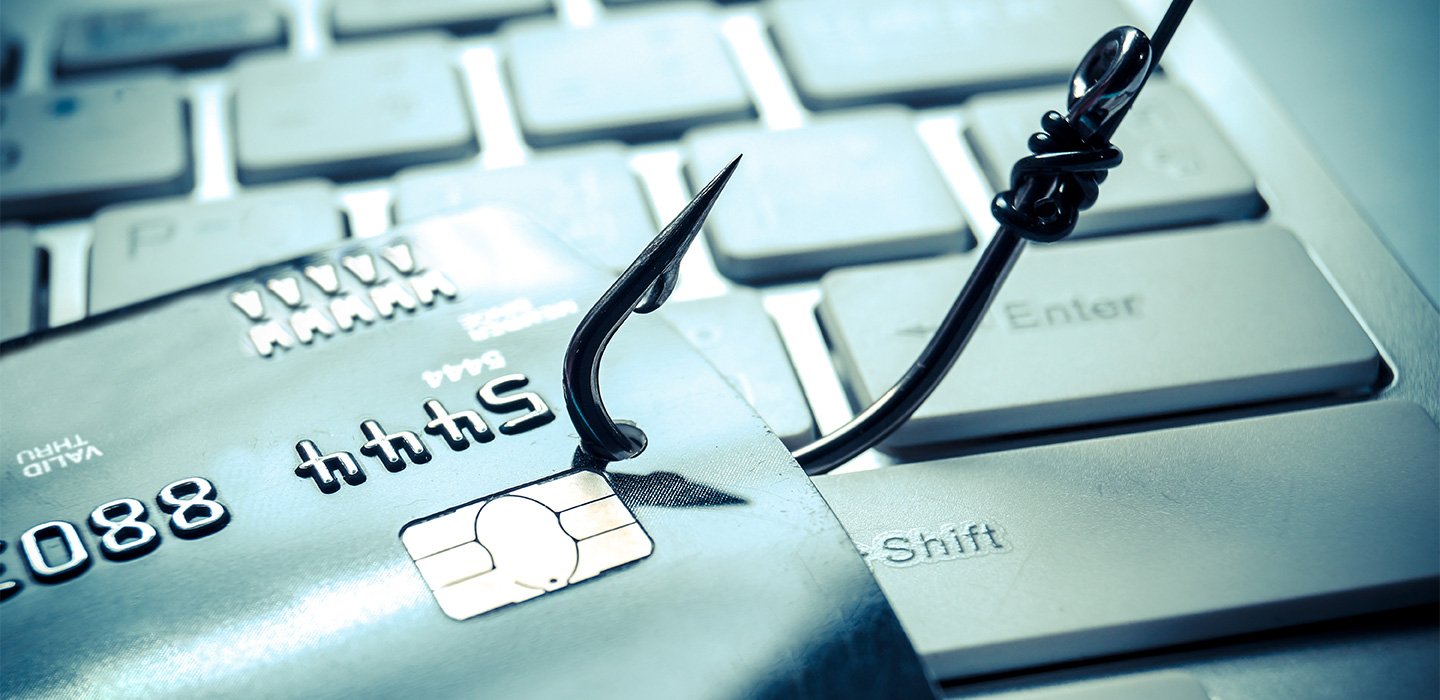



Scammers are getting smarter, faster and more convincing. One rushed decision can put your money and personal information at risk.
The good news? Most scams follow the same patterns, and you can stop them before they cause damage.
Remember these simple rules:
- Pause. Don’t rush. Scammers try to create urgency to pressure you. If something feels wrong, stop. Don’t reply or share info. It’s OK to say no.
- Verify. Before sending money or giving personal details, confirm the request. Use a trusted phone number — like the one on your card or statement — not the one in the message.
- Stay vigilant. Talk to friends and family about suspicious messages. Scams change but warning signs stay the same.
Common Scams
Impersonation Scams
Scammers may pretend to be government agencies, trusted organizations or your Credit Union. They use fake websites, emails, texts or phone calls with fake caller IDs to steal personal information.
How To Protect Yourself:
- Double‑check web addresses before entering information.
- Don’t share personal details with strangers. This includes your debit card number, username and password.
Check Scams
Someone you don’t know asks you to deposit a check. The check is for more than they owe you, and they ask you to send some money back. It’s a scam. When the check bounces, you lose the money.
How To Protect Yourself:
- Only accept checks from people or organizations you know and trust.
- Ignore offers that ask you to pay to receive a prize.
- Never accept a check for more than the selling price of an item.
Your Money Isn’t Safe Scam
Someone claiming to be a Credit Union employee or government official tells you to take out cash or move your money. They may ask you to leave it outside for a courier or send it to a cryptocurrency exchange, like Bitcoin.
How To Protect Yourself:
- We’ll never ask you to withdraw cash or move your money to a "safe" account.
- Don’t share your one-time verification codes or passwords.
- If you receive a suspicious alert, hang up and call your bank directly using the number on the back of your card or official website, not the number provided by the caller.
Online Sales Scams
Fake websites and social media ads offer deals that look real. Once you pay, the seller disappears.
How To Protect Yourself:
- Be cautious of deals that seem too good to be true.
- Research sellers and read reviews.
- Look for clear contact info, refund policies and privacy terms.
Mail Fraud
Mail theft can lead to stolen checks, unauthorized payments or identity theft.
How To Protect Yourself:
- Avoid sending cash or checks by mail.
- Mail items inside the post office or hand them to a mail carrier.
- Send valuable items with tracking or certified mail.
Donation Scams
Scammers may ask you to donate using your phone with a link, then take control of your device and send money to themselves.
How To Protect Yourself:
- Research charities before donating.
- Ask questions and take your time.
- Never hand your phone to someone else.
Ticket Scams
Scammers sell fake tickets, steal credit card information or overcharge buyers.
How To Protect Yourself:
- Buy tickets only from official or verified sites.
- Avoid unrealistically low prices.
- Walk away from high-pressure tactics.
Know the Warning Signs and How To Respond
Red Flags To Watch For
Be suspicious if someone tells you to:
- Move or withdraw money.
- Deposit cash or use cryptocurrency.
- Click links or download attachments.
- Share your PIN or one-time security codes.
- Give remote access to your device.
How To Protect Your Money and Information
- We’ll never ask you to move or withdraw money.
- Always verify requests before sending funds.
- Be careful about downloading apps or giving device access.
Note: We’ll never ask you for your PIN, three-digit card security code (CVV), one-time passcode (OTP) or Online and Mobile Banking password.
What To Do if You've Been Scammed
If you’ve been scammed, talk to someone you trust and take these actions as soon as possible.
- Protect yourself. Stop all contact with the scammer right away.
- Report the scam. Contact us at (800) 462-8328 or visit a local branch.
- Contact your bank right away. Call your bank using the phone number on your card or statement. Change your passwords and login information.
- Add an extra layer of protection to your accounts. Turn on two‑step verification using codes, fingerprint or an authentication app, and set up alerts for logins and payments.
- Protect your credit. Place a fraud alert or freeze your credit with all three credit bureaus:
- Experian| (888) 397‑3742
- TransUnion| (800) 680‑7289
- Equifax | (888) 766‑0008
- Notify law enforcement. Call your local police to report the incident. You can also report your case to the FBI by visiting its Internet Crime Complaint Center.
Want to learn more about how you can protect yourself from scams? Take a look at our fraud resources to help you stay safe.